Start Cinematic Video Creation withVeo 3.1
Explore long-form video cohesion and movement-based direction
Users searching for Google Veo 3.1 free AI model solutions want cinematic output and scene exploration without technical blockers. We integrate Veo 3.1 inside a multi-engine space—no barriers, no manual timeline sequencing, no specialist constraints. The model reacts to your direction: describe a camera move, extend a shot, adjust motion, and refine transitions.
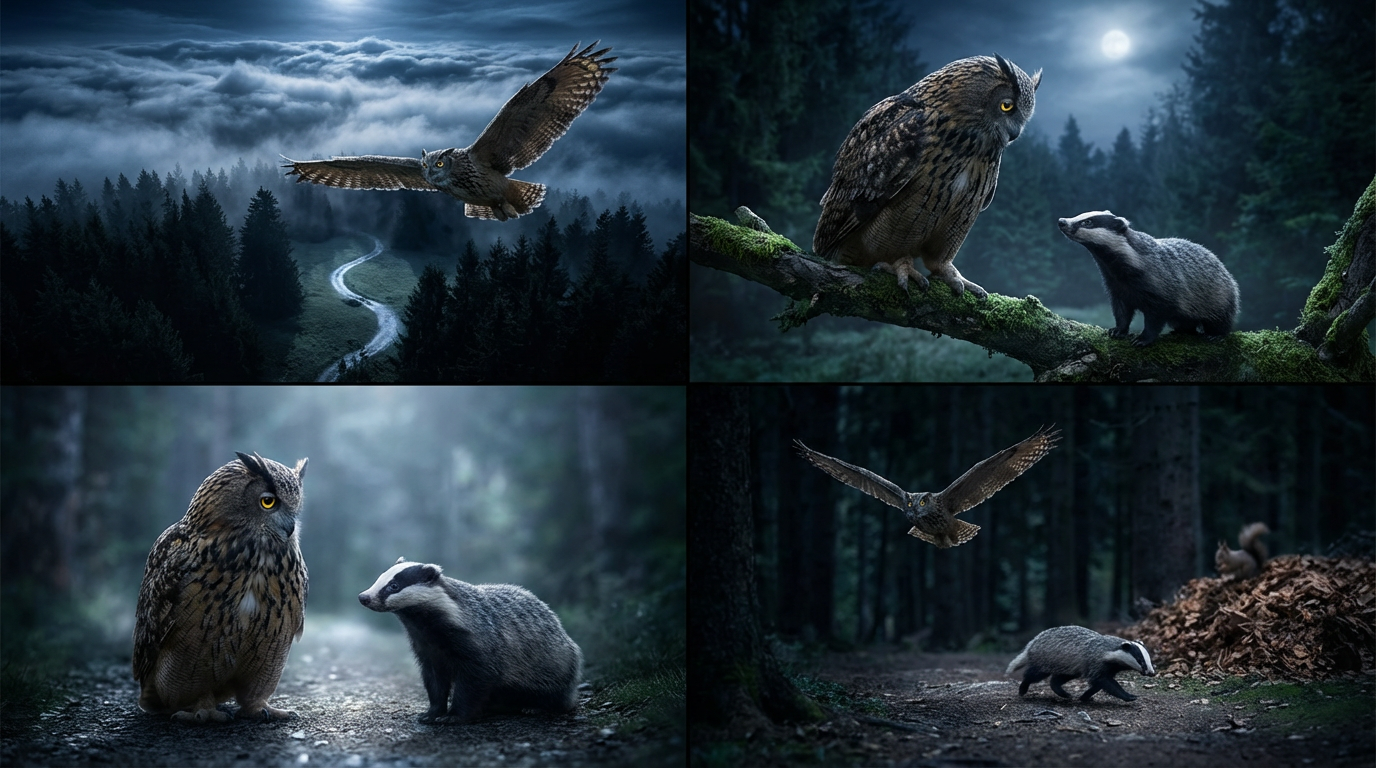
Powered By Official Google Veo 3.1 AI Model
More AI Video Generators
Explore our collection of specialized AI video generators designed for different creative needs and styles
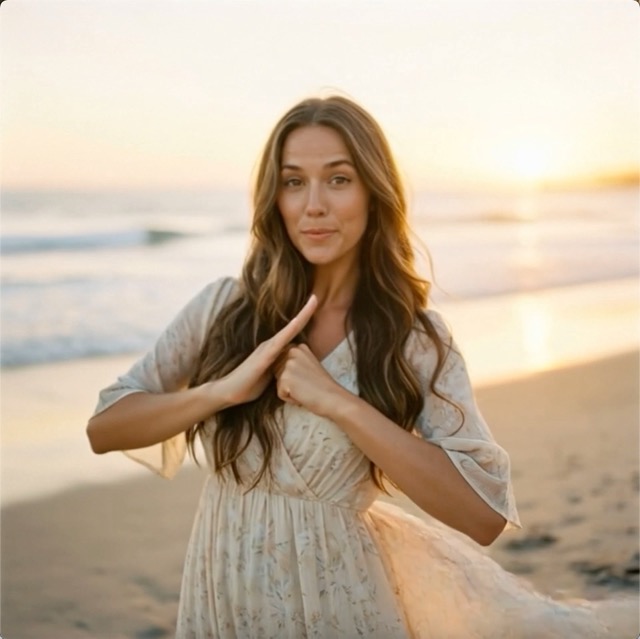
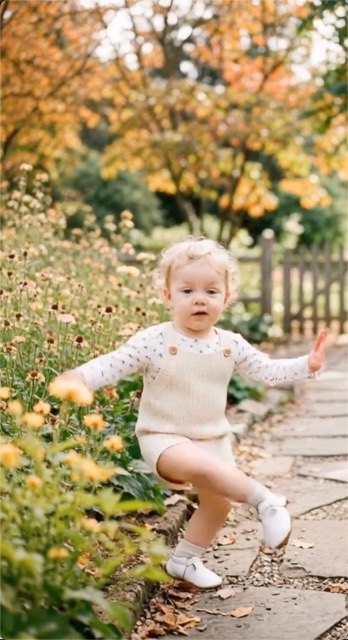
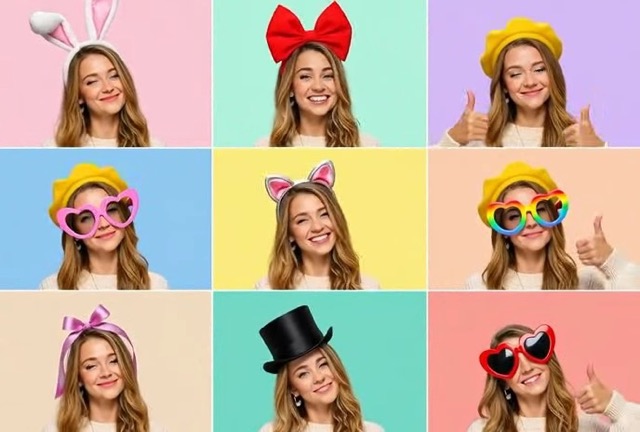
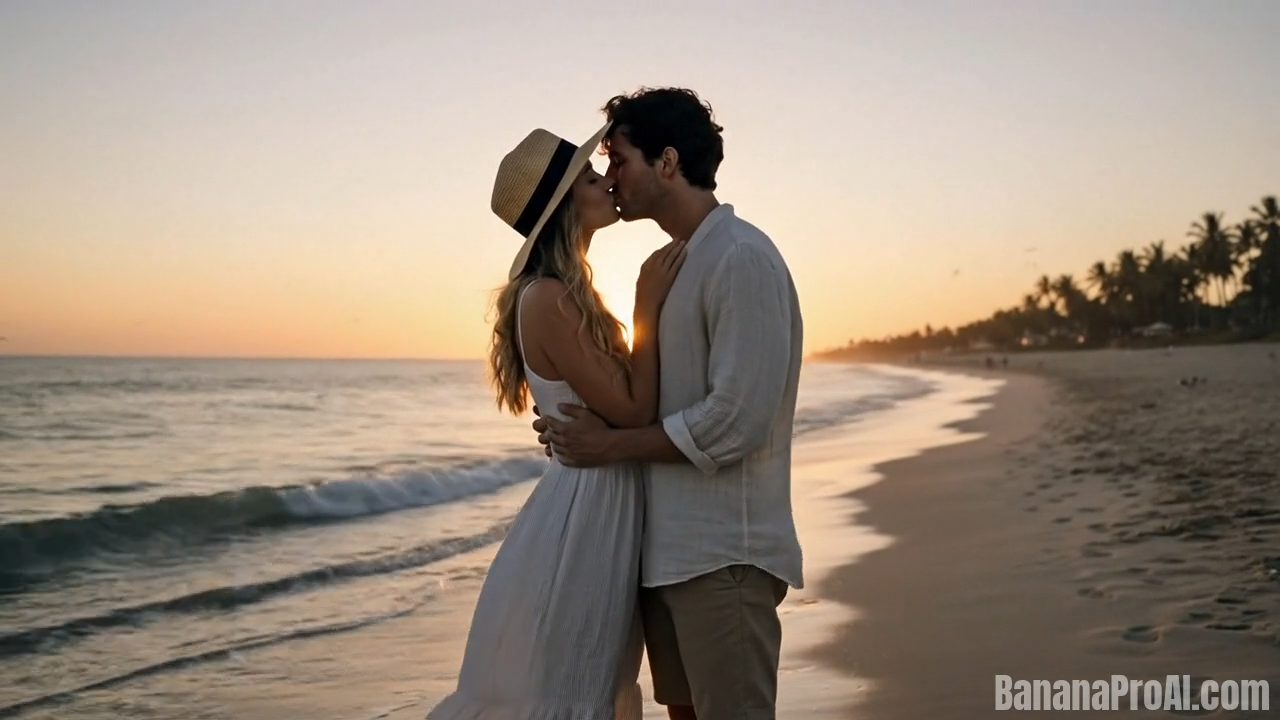
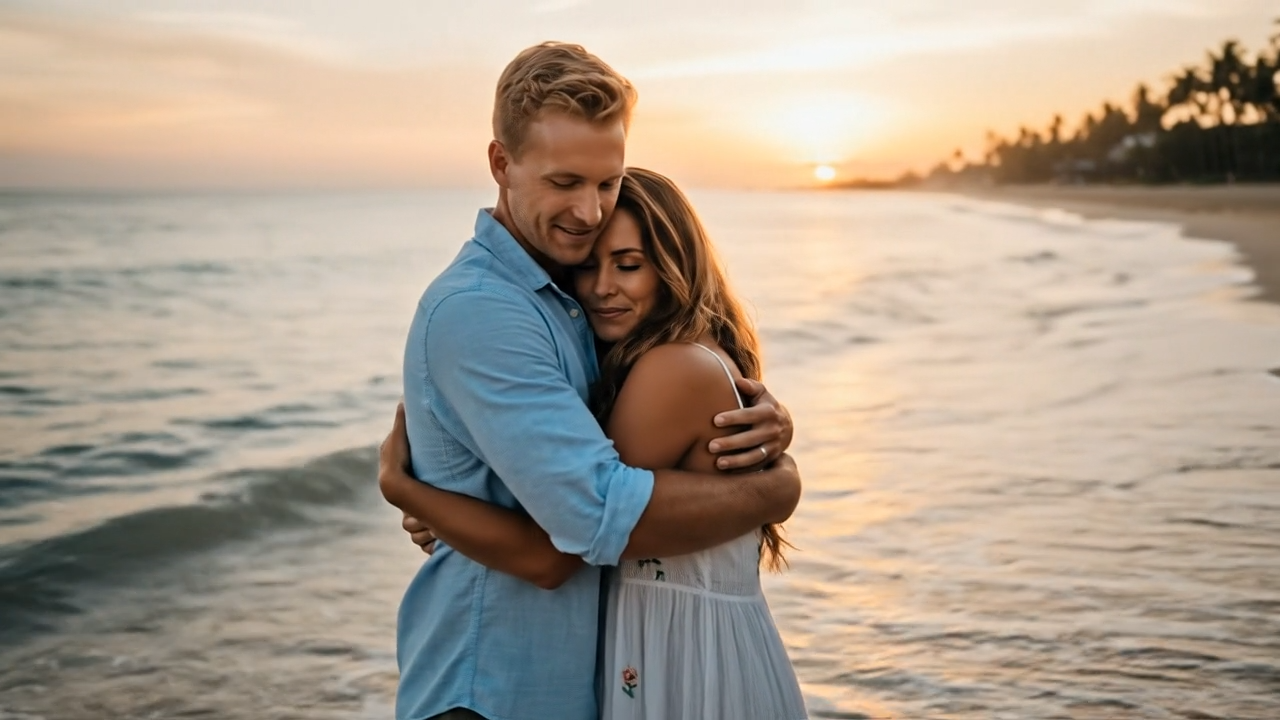
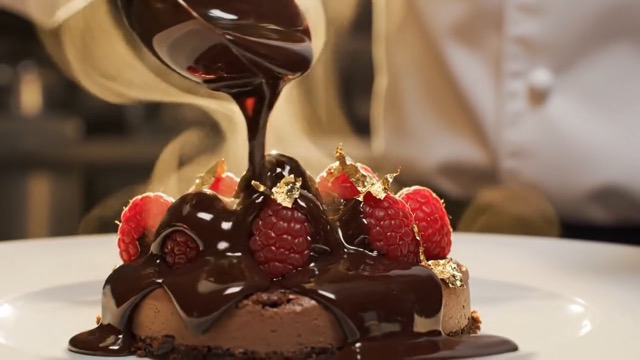
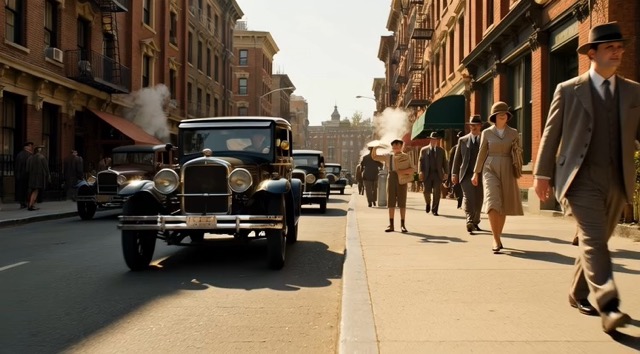

Veo 3.1 – High-Quality Video Creation with AI-Powered Motion Control
Generate coherent cinematic sequences with natural motion
Veo 3.1 is positioned as an advanced video generation model integrated inside our multi-engine creative platform. Users frequently search for a Google Veo 3.1 free AI model workflow because they want cinematic control, smooth camera motion, and evolving scenes driven entirely by natural language instructions. With Veo 3.1, our platform enables high-quality 1080p visual output, coherent long-form video, natural scene transitions, consistency across frames, and narrative-driven creation. We integrate Veo 3.1 as part of a multi-model video environment, empowering creators to describe movement, generate scenes, extend shots, or re-imagine footage based on descriptive text prompts.
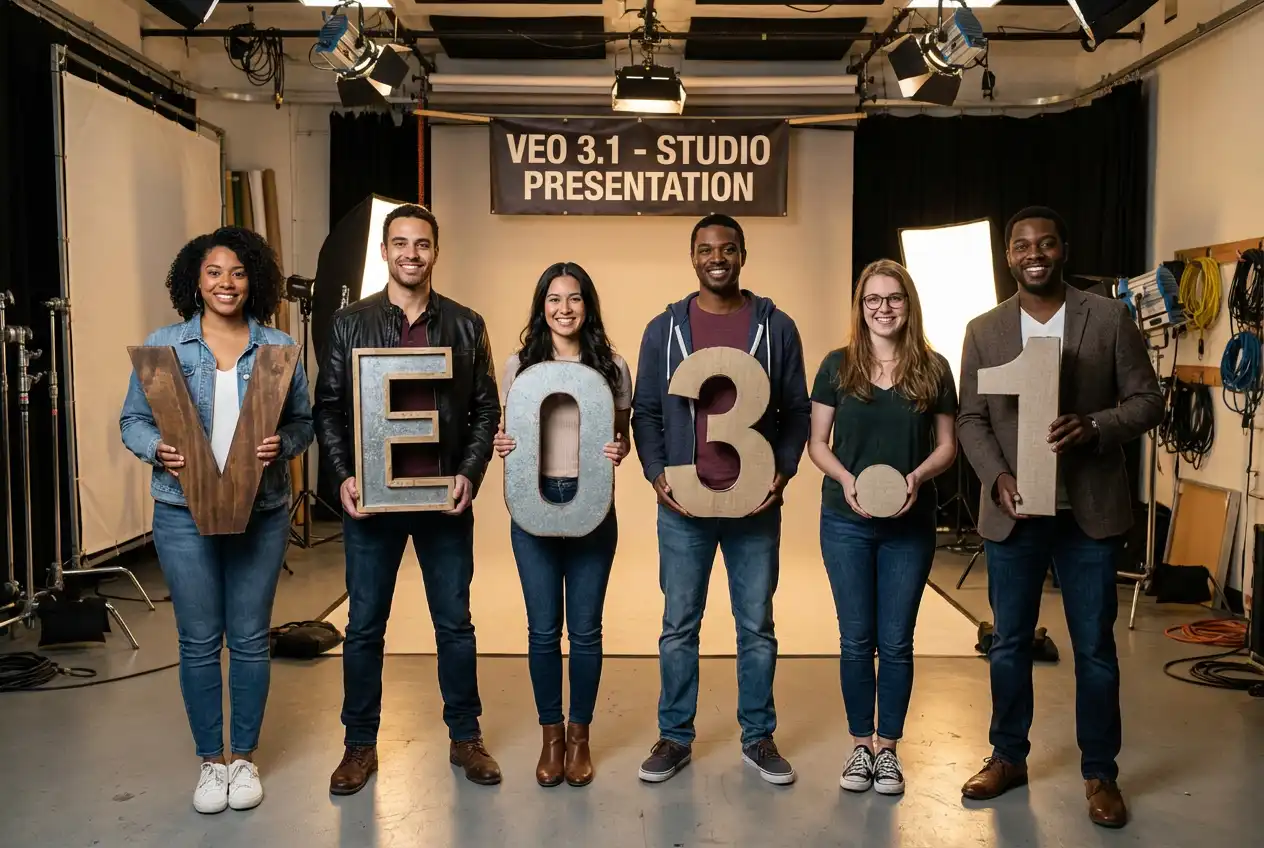
Why Veo 3.1 Matters for Long-Form Video
Many creators request Google Veo 3.1 free AI model access because they want minute-long storytelling capabilities. The official model page emphasizes coherent scenes, motion awareness, smooth perspective changes, and consistent styling across long structured outputs. We integrate these properties inside our workflow so that creators can treat Veo 3.1 free AI video model not as a short-clip toy but as a narrative engine that evolves shots, changes viewpoints, maintains characters, and generates text-controlled transitions. Our platform uses Veo 3.1 as one of several engines—no single model dominates the workflow. Instead, Google Veo 3.1 free AI model becomes an authoring layer for cinematic rhythm.
Long-Form and Coherent Cinematic Video Structure
According to the official feature positioning, Veo 3.1 AI video model is capable of generating high-quality, 1080p sequences that extend beyond short bursts. It supports long-form sequences with consistent styling, evolving spatial composition, and narrative coherence. We use Veo 3.1 AI video model as a building block for storytelling workflows where scenes progress with time rather than collapsing into a generative loop. This appeals to video creators searching for a Google Veo 3.1 free AI model approach to conceptual prototyping, pre-visualization, and motion-based content planning.
Camera Motion, Perspective, and Physical Coherence
The official Veo page highlights cinematic camera motion, coherent movement, and smooth perspective changes. It can render physics-aware visual behavior—reflections, water, smoke, glass, and natural illumination. We integrate Veo 3.1 so that our users can describe movements in text and see the scene respond. This reinforces the belief that Veo 3.1 behaves like a cinematographer—designing shots through language rather than timelines.
Multi-Shot Creativity and Text-Driven Editing
The Veo page emphasizes narrative editing through text commands. Users can extend a shot, revise motion, or re-imagine a scene through descriptive prompts. Using Veo 3.1 within our environment helps users perform multi-shot synthesis—scene A transitions into scene B, characters remain recognizable, and visual styling persists. This is attractive to individuals searching Google Veo 3.1 free AI model pathways to control both composition and storytelling.
Best AI Video Tools for Creative Projects
Explore creative tools for video, learn tips and tricks, and see how AI can be your assistant in turning concepts into finished projects.
How to Use Veo 3.1 for High-Quality Narrative Video
Our platform offers a three-step approach that maps Veo 3.1 AI video model into a practical workflow. Because many creators treat Veo 3.1 as a Google Veo 3.1 free AI model benchmark, we focus on operational clarity rather than raw model branding. The following steps illustrate how a creator can move from idea to sequence without editing timelines manually.
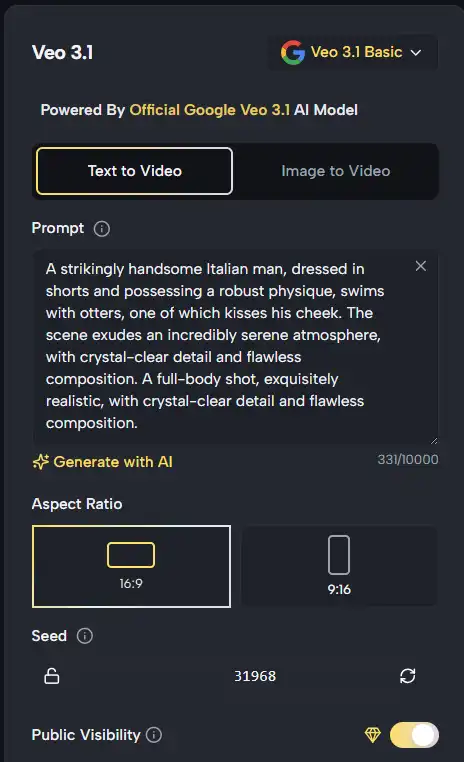
Prompt Layout
Define Motion and Environment
Write a textual description of movement, spatial context, environmental material, or camera angle. The Veo page notes that descriptive language—lighting, motion behavior, transitions—can drive structural outputs. A user can reference perspective, an actor’s motion, wind behavior, or underwater distortion. The reason many creators search for Google Veo 3.1 free AI model access is because they want to describe shots in prose rather than editing keyframes.
Where Veo 3.1 Fits in a Multi-Model Video Workflow
Veo 3.1 is part of our integrated environment—no single engine defines the workflow. We offer multiple video synthesis models, layering Veo 3.1 for cinematic continuity, long-form control, textual re-writing, and sequential expansion. Many users who search for Google Veo 3.1 free AI model access want short-film planning, campaign ideation, and rapid prototyping. Below are realistic scenarios.

Short-Film Pre-Visualization
A filmmaking team can describe three scene transitions and expect Veo 3.1 to maintain motion coherence over 1080p rendering. They can write narration, evolve camera orbit, and request slow drift through environments. This reduces uncertainty before investing in physical cinematography.

Long-Form Branded Storytelling
Marketing units want narrative-driven launch sequences for campaigns. Veo 3.1 gives them evolving movement—product fly-through, audience perspective rotation, changing locations, and coherent visual identity. The objective is not a final advertisement, but iterative option generation.

Scene Expansion and Character Consistency
Writers can request additional footage based on prior frames. The Veo 3.1 AI video model references maintaining consistency across shots. For character-driven fiction, this is structurally valuable.

Camera-Motion Exploration in Concept Art Pipelines
Artists want motion like crane angles, underwater drift, aerial sweeps, and parallax-driven storytelling. Veo 3.1 turns these into language instructions rather than 3D rigging.
What Creators Say About Working with Veo 3.1
The following fictional testimonials illustrate usage motivations. They represent creative perspectives rather than official product claims. These creators are drawn to Veo 3.1 because the term helps them conceptualize cinematic motion through simple language rather than technical pipelines.
Using Veo 3.1 inside this page completely changed how I prototype scenes. I can describe camera movement, extend shots, and test pacing without touching a timeline. For filmmakers exploring a Google Veo 3.1 free AI model workflow, this feels like writing visual direction instead of editing raw footage.
I use Veo 3.1 free AI model to explore narrative flow for product campaigns. The ability to generate longer, coherent sequences helps me test transitions and mood early. This page made it easy to understand how Veo 3.1 fits into a creative workflow rather than being just another AI video demo.
Veo 3.1 works well for testing in-game cutscene ideas. I can describe movement, environment behavior, and camera perspective in text and immediately see results. For anyone searching for a Google Veo 3.1 free AI model experience focused on motion and continuity, this setup feels practical and production-oriented.
What stood out to me about Veo 3.1 is scene consistency. I can iterate on the same visual idea, refine motion, and keep the style stable. This page clearly explains how Veo 3.1 supports longer storytelling, which is exactly what creative teams need during early concept development.
I tested Veo 3.1 for camera movement studies and visual rhythm. Being able to adjust shots through text is surprisingly effective. If you are evaluating a Google Veo 3.1 free AI model approach for cinematic motion experiments, this page shows how to apply it in real workflows.
Veo 3.1 helped me visualize story ideas before committing to full production. I liked how scenes evolve naturally instead of resetting every few seconds. This page made it clear how Veo 3.1 supports long-form thinking, not just short clips, which is essential for serious video planning.





FAQ About Veo 3.1 in Our Platform
These answers reflect our integration posture—not claims about model access, licensing, or pricing.
Absolutely! The Veo 3.1 is powered by official Google service. You can use official Google Veo 3.1 free AI video model here.
Yes! Veo 3.1 can generate video with sound. Veo 3.1 AI video model is the upgraded version from Veo 3 which is the first video model generating videos with audio.
Yes. Privacy and data security are a top priority for us. All videos generated using Google Veo 3.1 free AI model within our platform are processed securely
Yes. We offer free access so users can experience Google Veo 3.1 free AI model without upfront payment.
Watermarks can be removed by upgrading to one of our subscription plans. As a subscriber, you can export Veo 3.1 videos in clean, watermark-free quality suitable for professional and commercial use.
Commercial usage depends on your subscription level. Free users can explore and test Google Veo 3.1 free AI model capabilities, while subscribed members gain access to commercial-friendly exports.
Try Veo 3.1 in an Integrated Multi-Model Video Studio
Instead of searching blind for Google Veo 3.1 free AI model portals, creators can use our environment to experiment with long-form motion, cinematic sequences, minute-scale transitions, scene exploration, and narrative revision. Veo 3.1 becomes a tool for camera direction by text—motion, perspective, reflections, illumination, and stylized behavior handled inside a controlled project space.